

How Buick and GMC Improve Efficiency in the 2026 Lineup
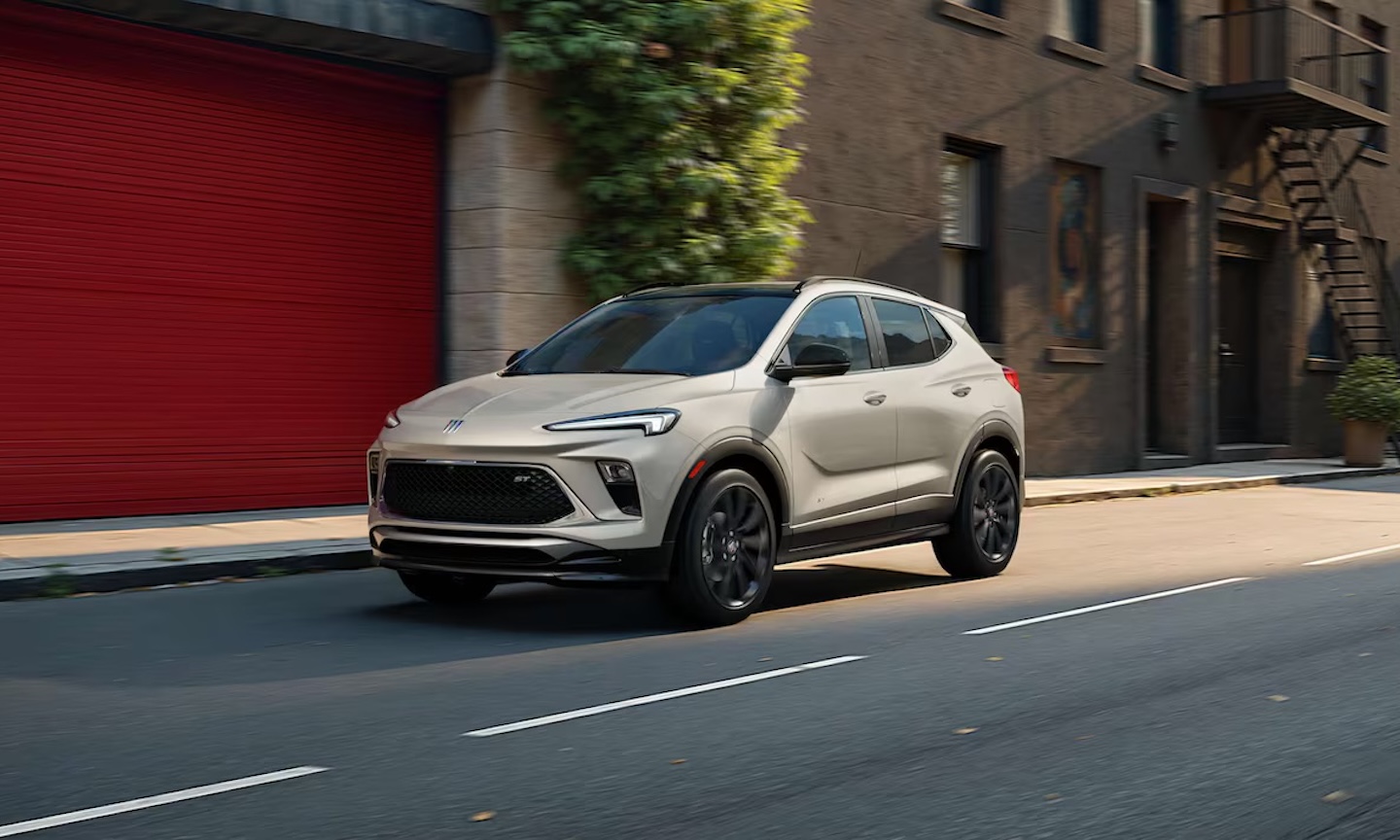
For the 2026 model year, Buick and GMC focus on fuel-saving engineering that helps everyday drivers and truck owners get more value from their vehicles. Both brands incorporate technologies and design choices that reduce fuel use, improve mpg, and make daily driving more efficient.
Here’s how Buick and GMC vehicles help drivers save fuel and energy.
Turbocharged Engines For Better Mileage
Both Buick and GMC offer turbocharged four-cylinder engines in many of their SUV and truck models. These engines are designed to give strong performance from a smaller displacement, which often leads to better fuel economy compared to larger naturally aspirated engines.
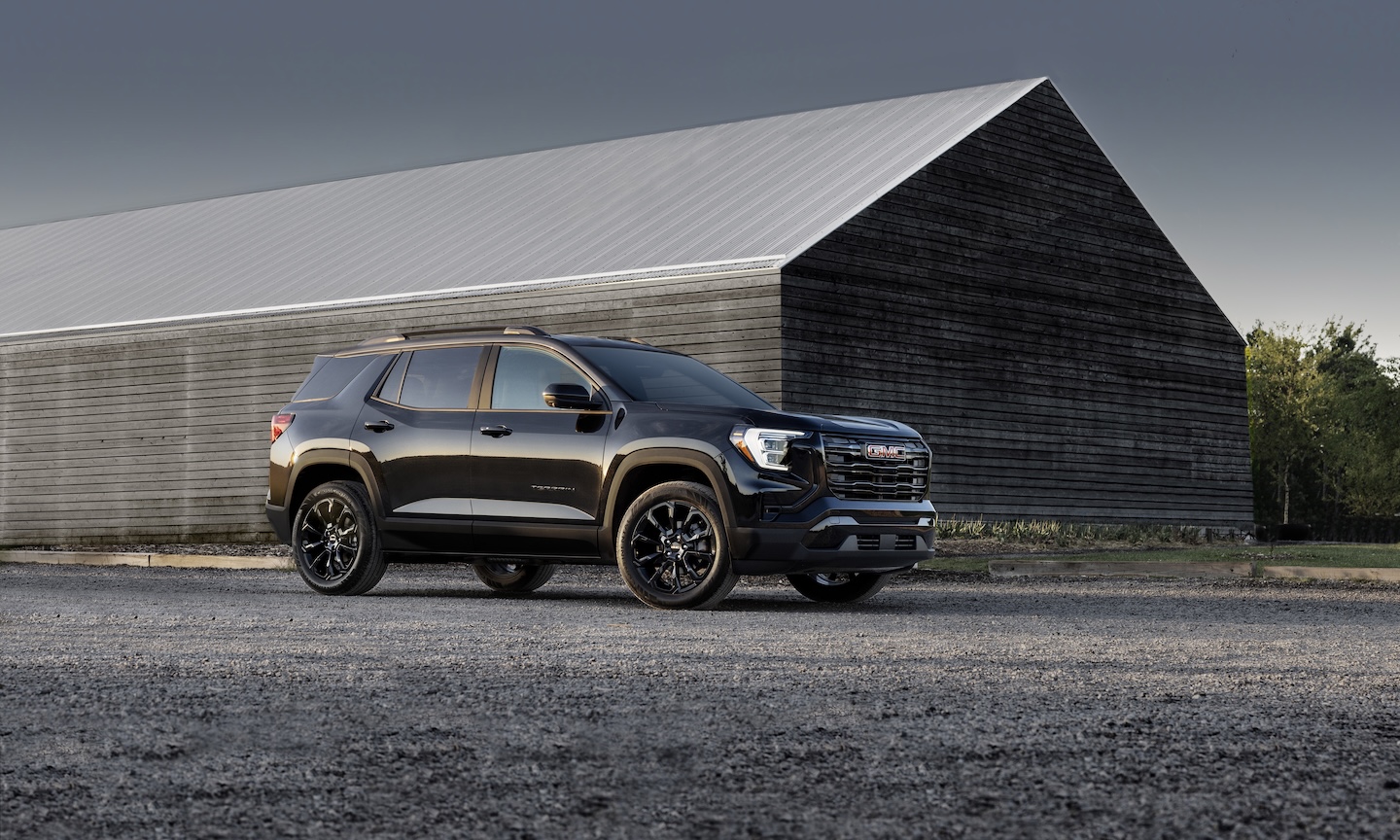
In particular, the 2026 GMC Terrain compact SUV uses a turbocharged 1.5-liter engine with an efficient output that can achieve up to 27 mpg combined in some configurations. This makes it one of the more fuel-efficient SUVs in the GMC family.
|
|---|
On the Buick side, models like the Buick Encore GX also use small turbocharged engines with advanced transmission systems to balance power and fuel efficiency. Depending on engine and drivetrain, these models can return strong mpg ratings of around 30 mpg combined in everyday driving.
|
|---|
Engine Stop-Start Technology
Many 2026 Buick and GMC models include engine stop-start systems that cut fuel consumption when the vehicle is stopped, such as at traffic lights. When the vehicle halts, and the brake is engaged, the engine shuts off automatically and restarts seamlessly when the driver lifts the brake.
This feature helps reduce wasted fuel in daily urban driving, especially in heavier traffic.
Aerodynamic Design and Weight Management
Both brands pay careful attention to aerodynamic design and weight management to help reduce drag and improve efficiency. Features like sculpted bodylines, optimized front grille openings, and refined underbody airflow help the vehicles slip through the air with less resistance at highway speeds. This type of engineering reduces fuel use over longer trips and helps maximize highway mpg.
Advanced Transmissions
Efficient transmissions also play a big role in fuel saving. Buick and GMC use advanced automatic transmissions with multiple gears that allow the engine to operate at lower rpm more often. Operating in the optimal rpm range helps reduce fuel use while maintaining smooth acceleration and cruising performance.
Diesel Efficiency In Full-Size Trucks
For shoppers looking at trucks, the 2026 GMC Sierra 1500 offers a Duramax® 3.0-liter turbo-diesel engine that brings improved highway fuel economy compared with gasoline V8 options. Diesel engines are inherently more efficient under sustained highway use and for long-distance driving, which can help cut fuel costs for frequent travelers.
|
|---|
Even gasoline-powered Sierra models are tuned for efficient cruising, and the smaller 2.7-liter TurboMax engine offers better combined mpg compared to larger displacement options.
Electric Efficiency With GMC Sierra EV
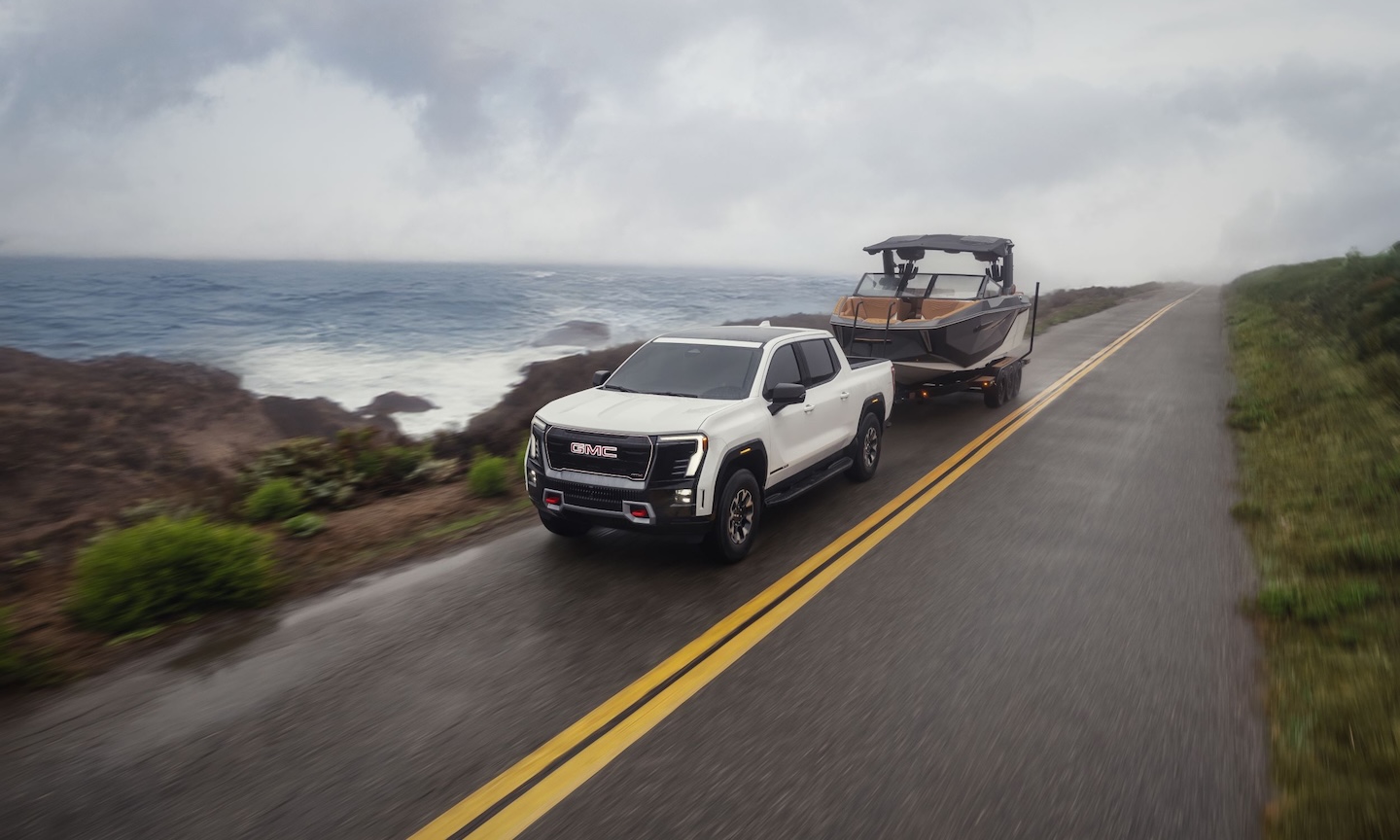
Fully electric models take efficiency as far as it can go by eliminating gasoline. The 2026 GMC Sierra EV lineup delivers strong electric driving range, powerful instant torque, and lower operating costs than traditional internal combustion vehicles. With up to 478 miles of range, this all-electric pickup is engineered for drivers who want efficient, emissions-free daily driving and long trips, with quick-charging capability.
Why These Features Matter for Fuel Economy in 2026
Buick and GMC help drivers save fuel and energy by combining smart engine design, efficient transmissions, advanced aerodynamics, and available diesel or electric options.
For drivers who want strong fuel economy in everyday driving, models like the terrain-efficient SUVs and optimized trucks offer real-world savings. For those ready to skip gasoline altogether, the GMC Sierra EV represents the peak of energy efficiency in the 2026 lineup.
Contact Ingersoll Auto of Danbury to learn more about 2026 Buick and GMC models and find the right vehicle that meets your fuel economy and performance needs.